NWNOI Publications Presents
Two Scriptures. One Interpretation.
A Story That Changed Everything
For centuries, spiritual history has been shaped by a single interpretation.
But what happens when two sacred texts are examined side by side?
What if two scriptures tell the same story — but history only taught one?
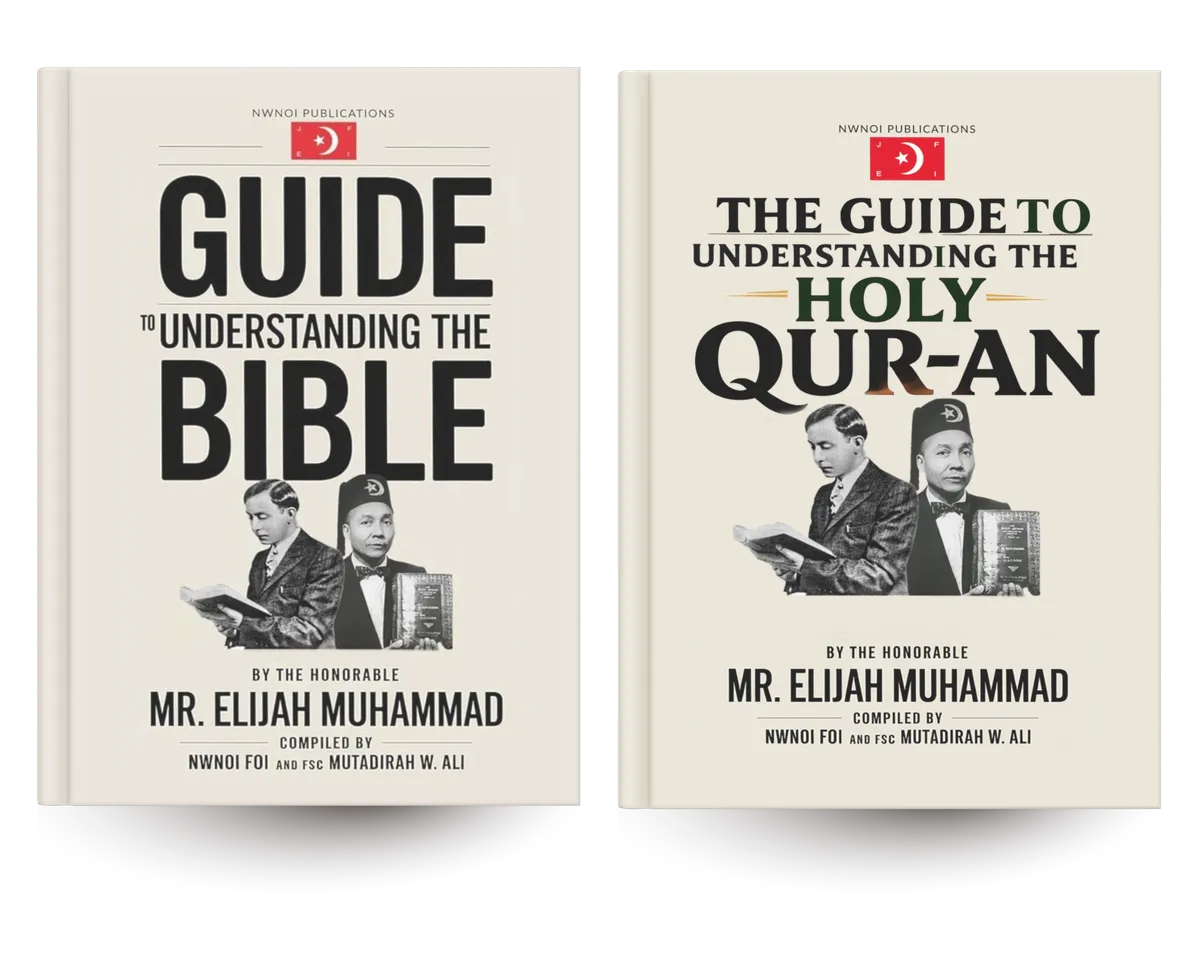
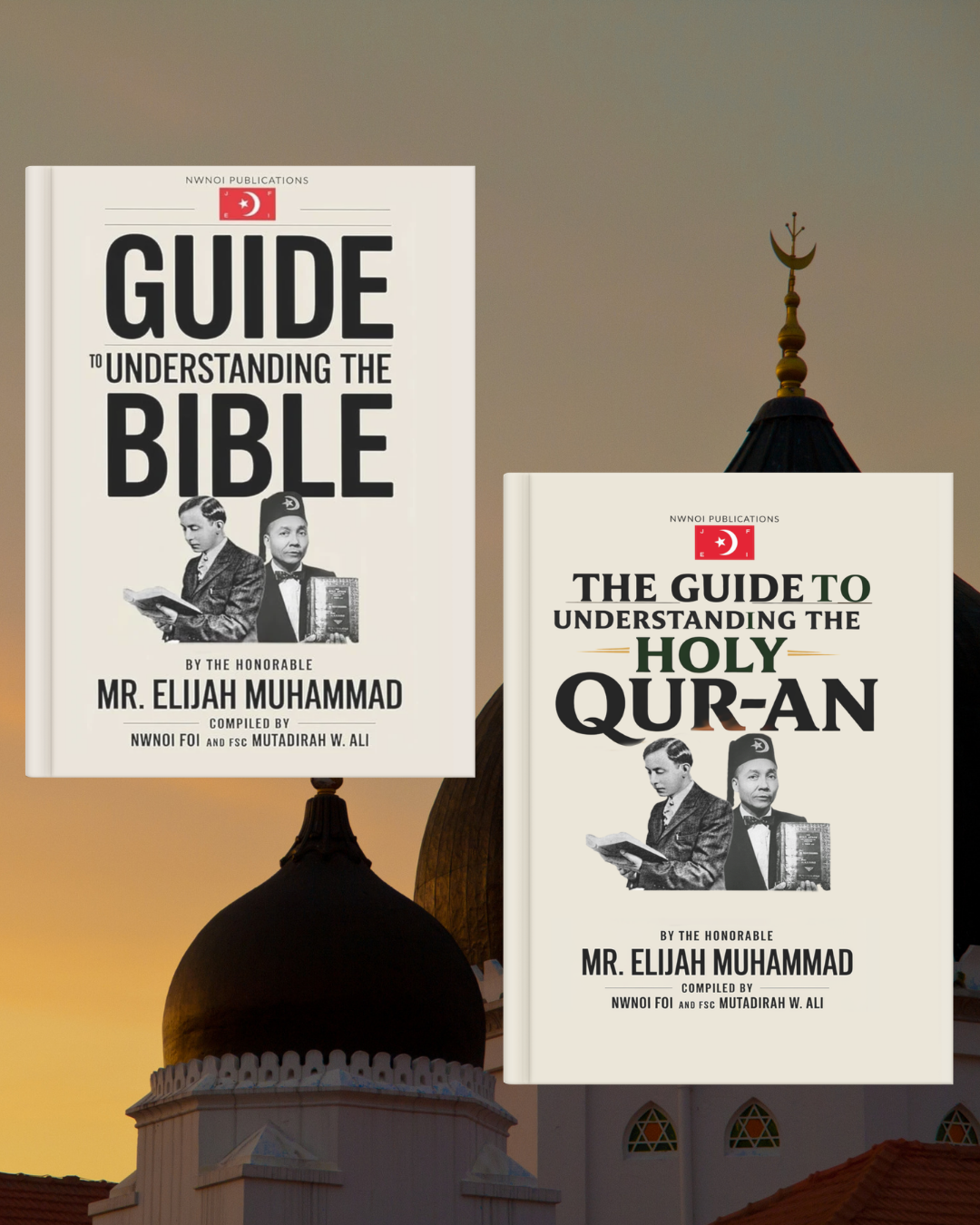
THE QUESTION
What If History Told Only One Side?
The Bible and the Holy Qur’an are among the most influential texts in human history.
They have shaped civilizations, cultures, and spiritual traditions for centuries.
Yet few readers have explored how these scriptures intersect — and what their shared themes reveal.
These works invite readers to explore scripture through a distinct interpretive framework that has sparked decades of theological discussion.
The Elijah Muhammad
Scripture Guides
The Elijah Muhammad Scripture Guides present a unique perspective on sacred texts.
Each book examines foundational religious scripture through a lens that has influenced generations of spiritual dialogue.
Together, these works offer readers an opportunity to explore the relationship between two of the world's most important religious texts.
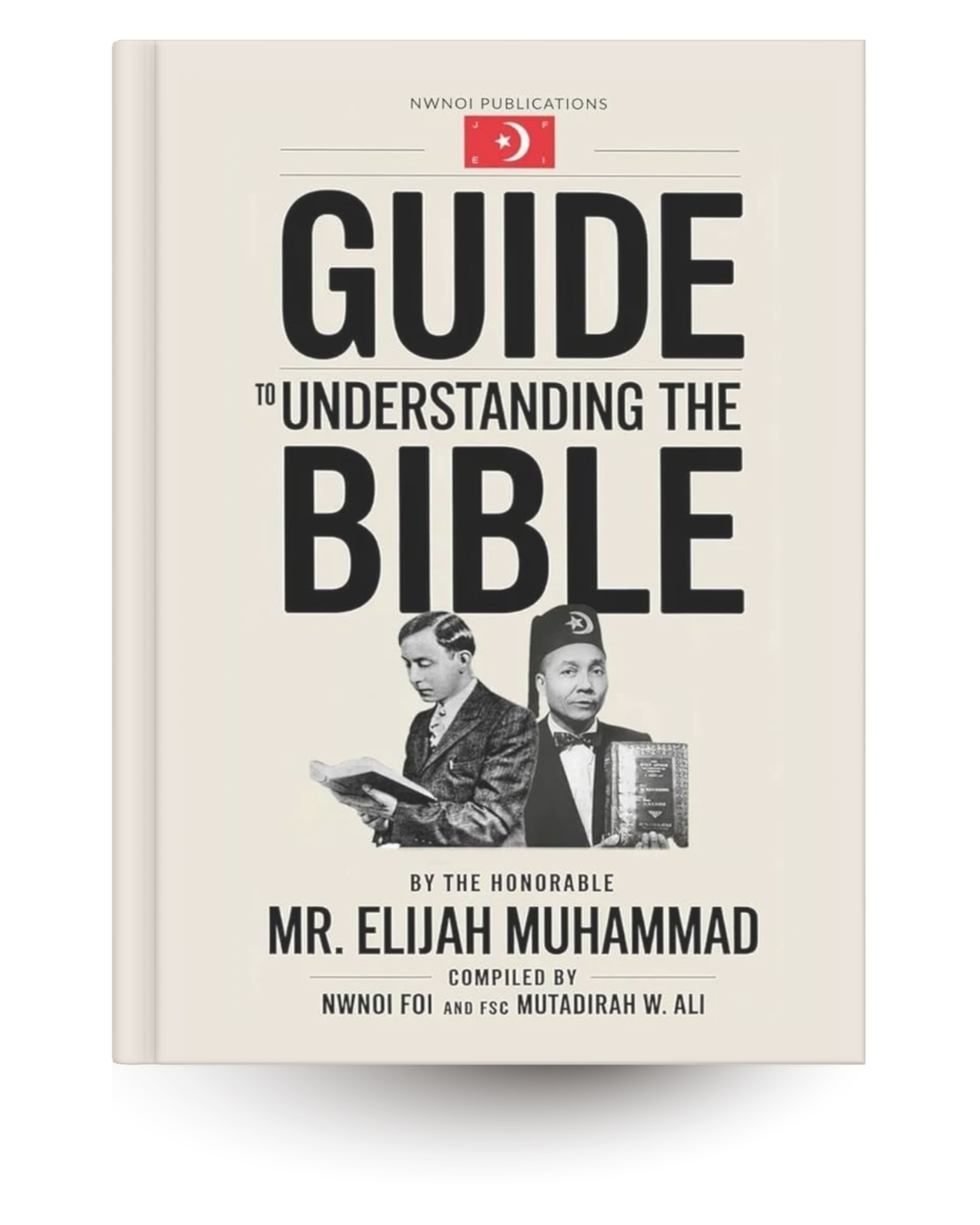
Guide to Understanding the Bible
This work explores biblical scripture through a distinct interpretive framework, examining themes, symbolism, and historical context that have shaped spiritual discussion for decades.
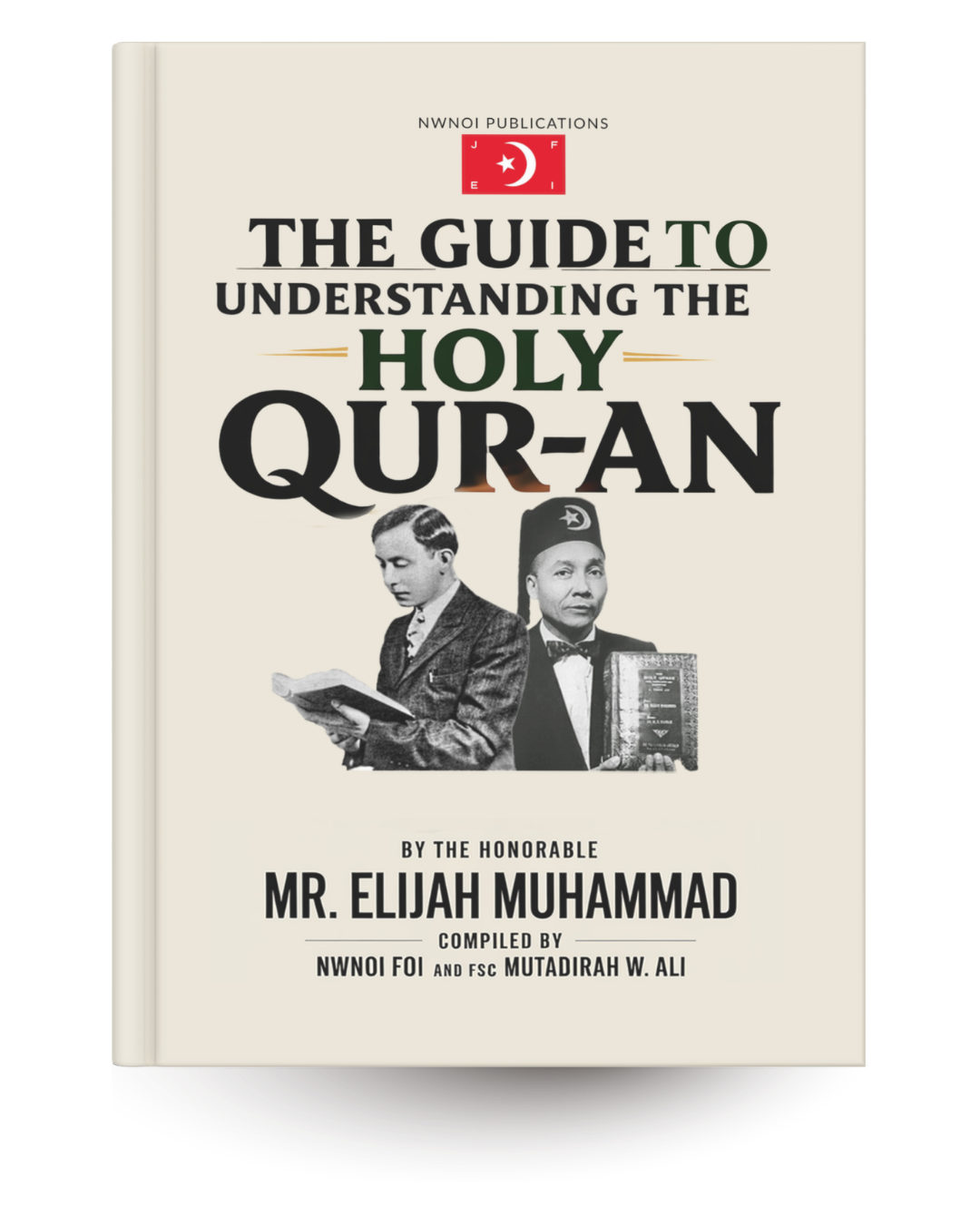
Guide to Understanding the Holy Qur’an
This companion volume examines the Qur’an through the same interpretive lens, revealing connections between scripture, theology, and spiritual tradition.
Why Readers Are Rediscovering These Texts
• Explore scripture from a new perspective
• Examine the relationship between the Bible and the Qur’an
• Discover interpretations that have influenced generations of discussion
• Engage with ideas that continue to shape theological conversations
The Elijah Muhammad Scripture Collection
Read both works together and explore the interpretation that continues to inspire discussion around the world.
Discover the Interpretation That Sparked Global Conversation
These works invite readers to examine scripture through a perspective that has influenced decades of theological dialogue.